
Joey Care
Team: 4 People
Contribution: Research, Problem Identification, Industrial design, User Experience, CAD Modeling, Interaction design and 3D Visualization
What if saving a life didn't mean fighting the equipment too?

A newborn has minutes. But it is the doctor racing against them, on a device that was never truly designed for how they work.
(Context)
A neonatal resuscitation table is the first machine a newborn encounters. It combines heating, monitoring, and critical controls into one device. In this setting, clarity is not a design preference. It is a clinical requirement.
(Research)
We needed to understand how providers actually use this device, not just how it was designed to be used.
We studied existing devices types in clinical environments, mapped workflows across the procedure, and spoke with healthcare providers about the moments where things go wrong.
(Users)
Neonatologist, Doctors and Nurses during critical time crunch.


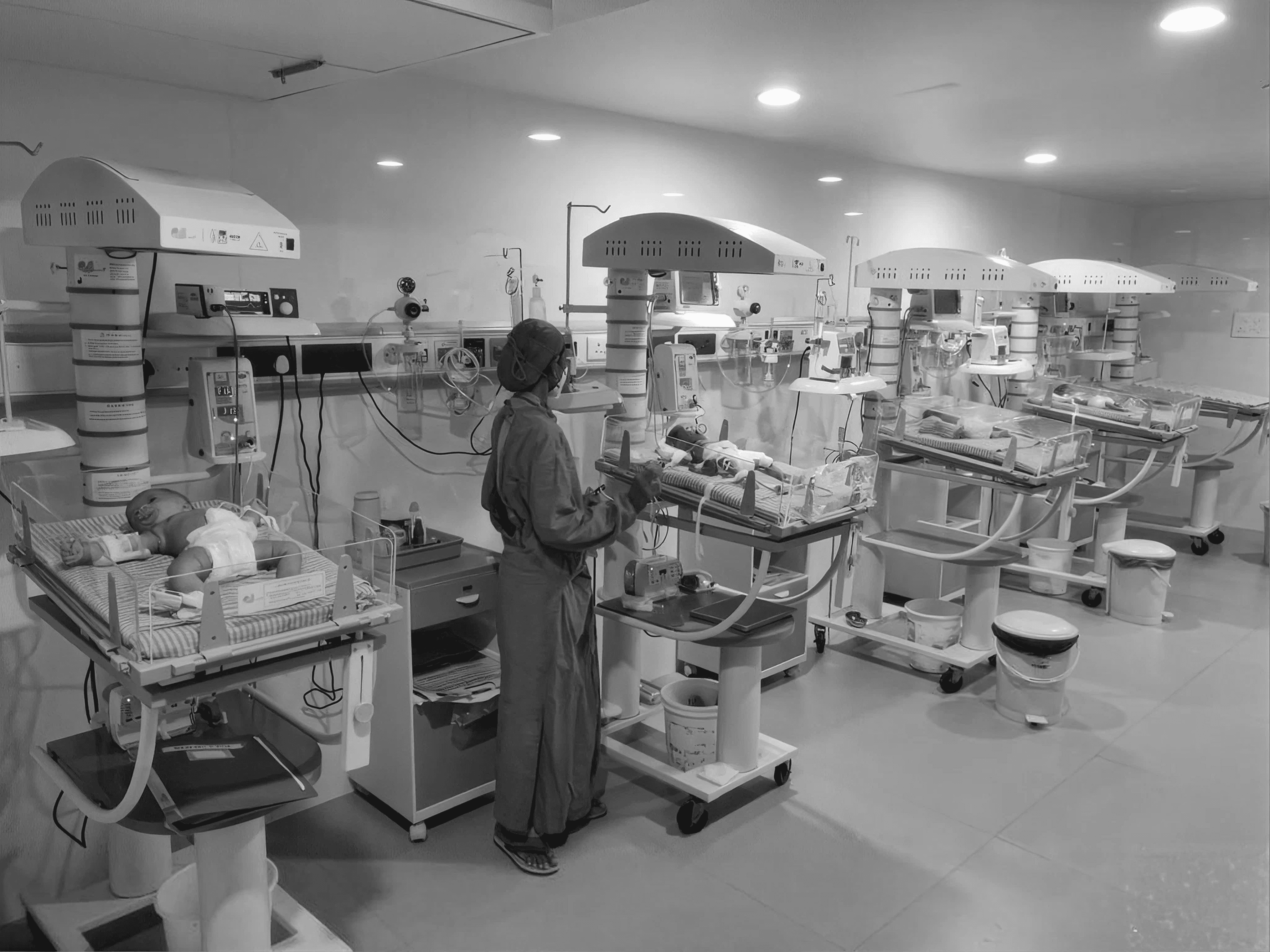

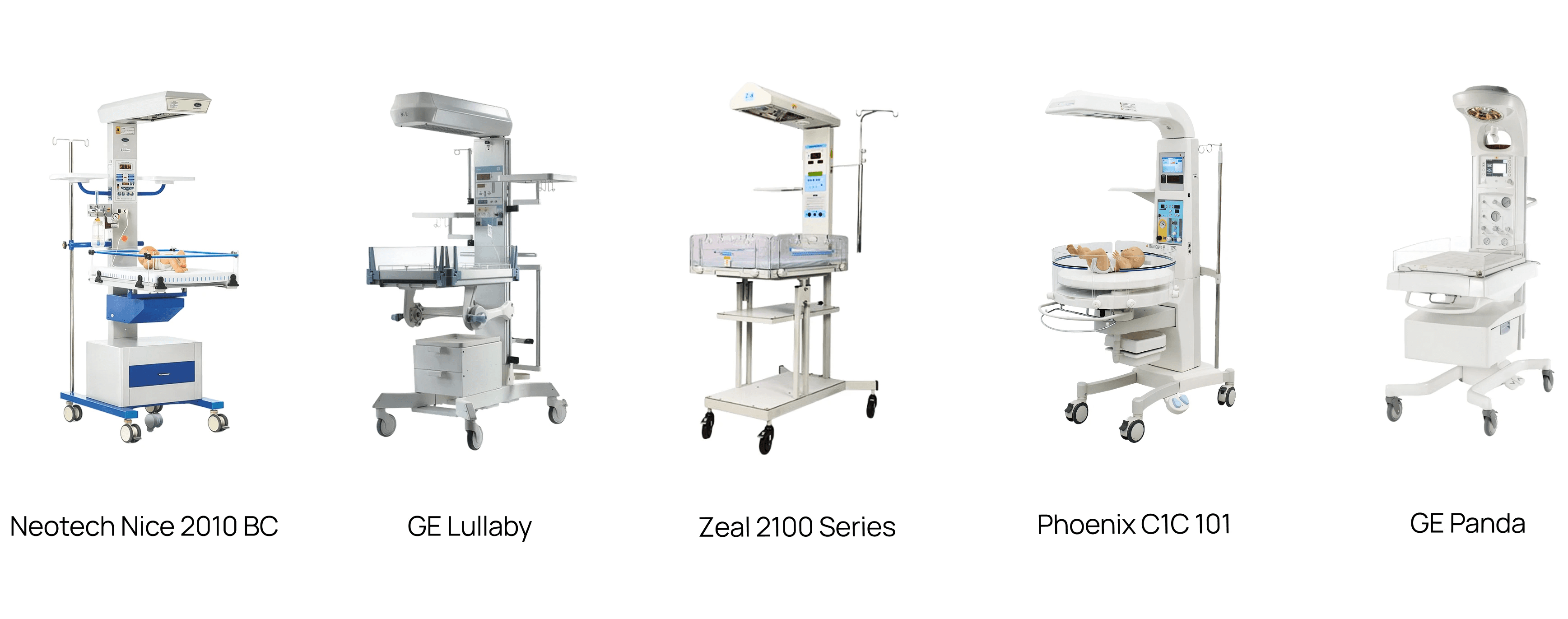
Existing devices on the market were studied, from integrated units to basic heaters with ECG and respiratory devices attached separately, which creates clutter. User interviews, journey maps, and empathy maps then surfaced the pain points and unmet needs.
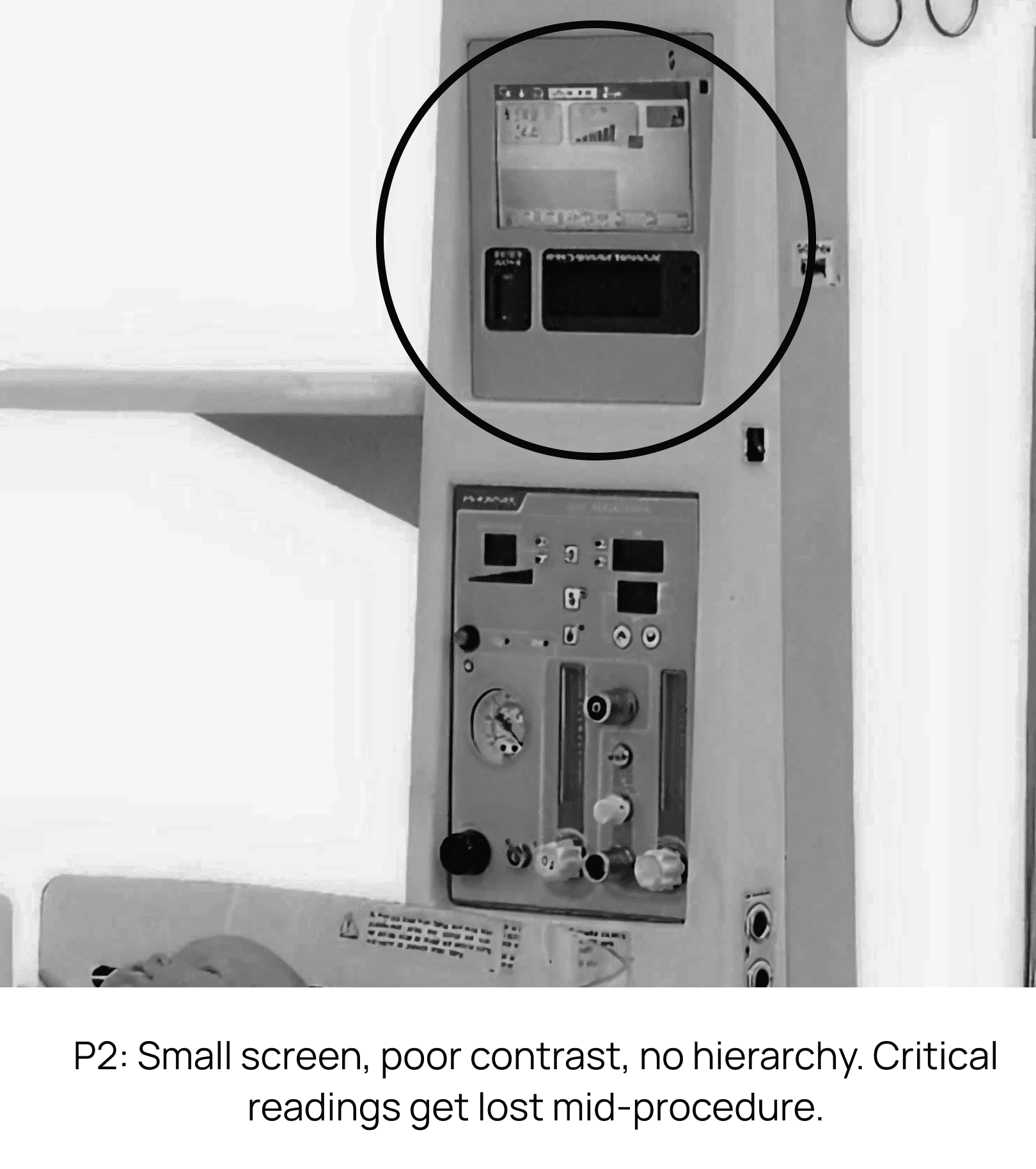
What emerged wasn't a single problem. It was a system of small failures adding up at the worst possible time.



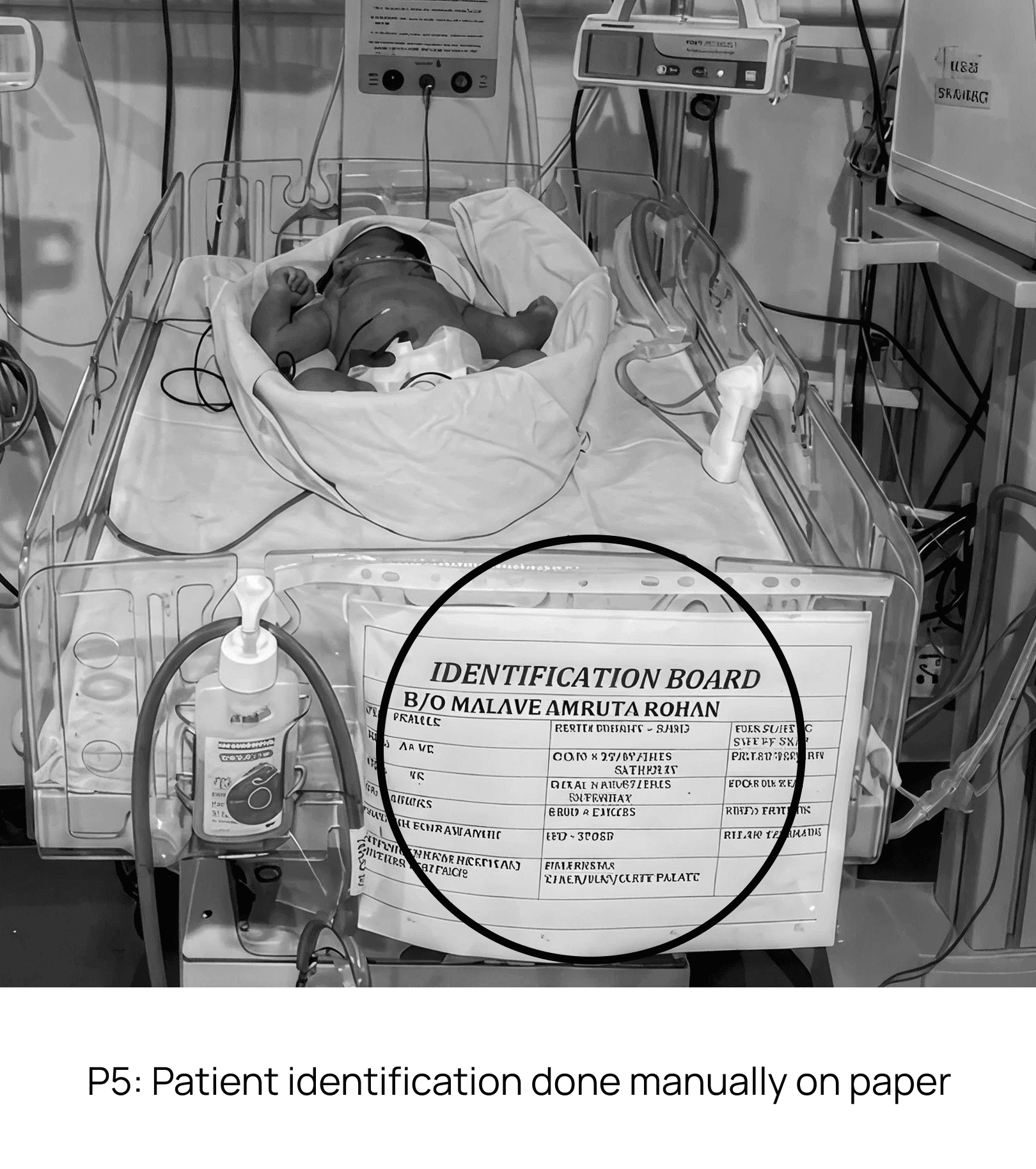
Every decision was made against a single test: does this reduce the time between a provider's intent and the device's response?
The design followed Central Drugs Standard Control Organization (CDSCO) medical standards. It brings every device needed during the procedure into one integrated infant warmer. The placement of each device was explored so that it matches the order of the procedure and stays within easy reach when it is needed.

Introducing Joey Care
Joeycare brings heating, monitoring, and controls into one intuitive resuscitation workstation. Designed around how clinicians actually move under pressure, it replaces cluttered wiring and guesswork with a clear control hierarchy and a form that's easy to grip, position, and adjust.

Interaction is designed around the procedure, not the panel.
Controls follow the clinical sequence from top to bottom. What you set before the procedure is digital. What you use during it is manual. Tactile buttons and dials give precise feedback without the provider ever looking away from the baby which solves P 4 and all other problems too.

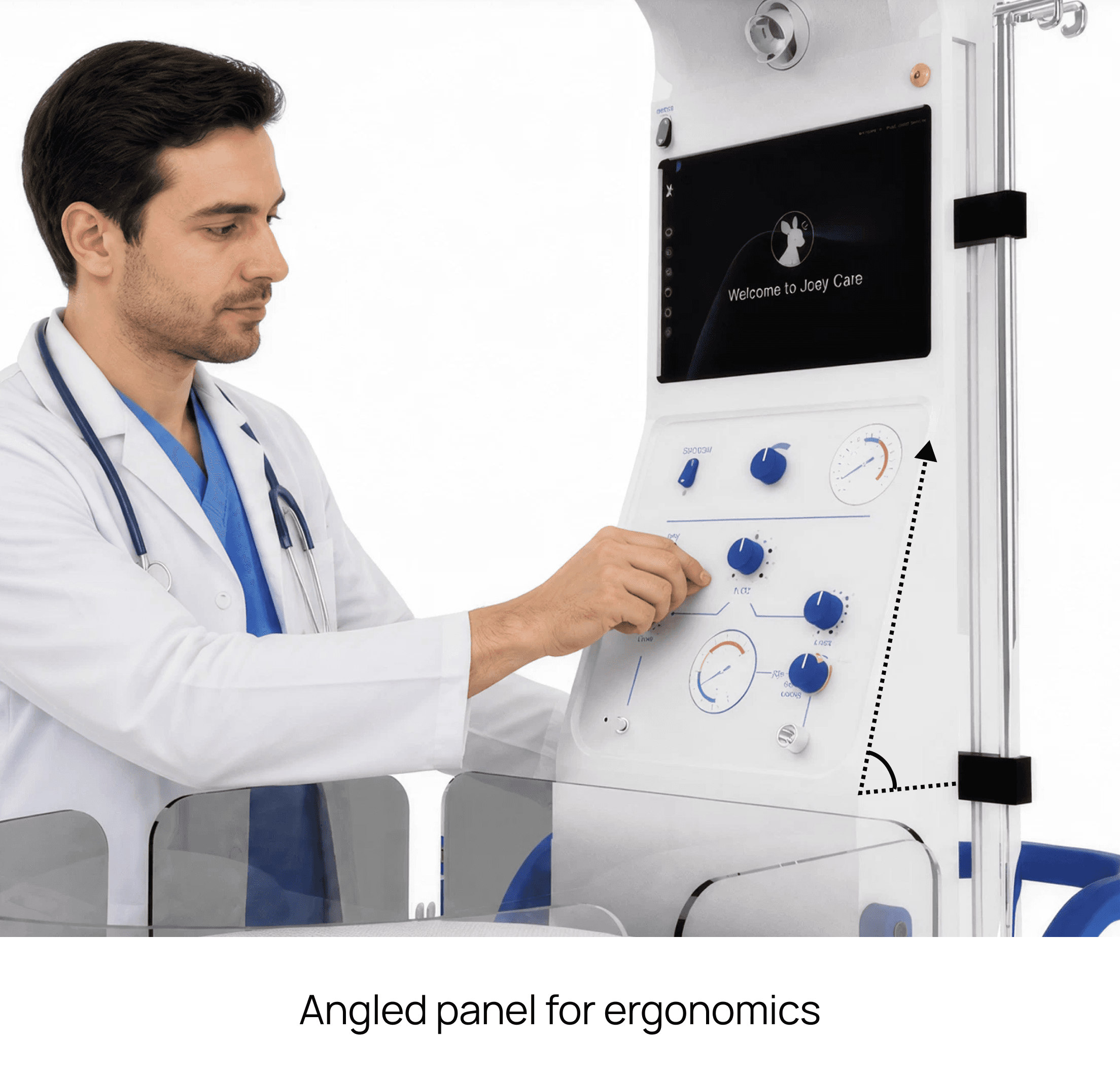


Simple intuitive UI with additional digitalized steps to save time.
The interface mirrors the procedure's hierarchy. Pre-procedure tasks are digitized, with automatic checks and reminders during setup. During the procedure, only essential elements remain visible, free of distraction. Post-procedure tasks are built into the workflow, easy to find and requiring no extra equipment.

Form is designed around the human, not just the task.
The device's form and interface are grounded in anthropometric data, ensuring controls sit within natural reach and grip for a range of users. This minimizes hand travel during high-stress moments when speed matters most.


3D Motion
Tools used Keyshot, Premiere pro and flow A.I..